



the Faculty of Specific Education discussed the future of specialized education in the information age
- Hits: 11
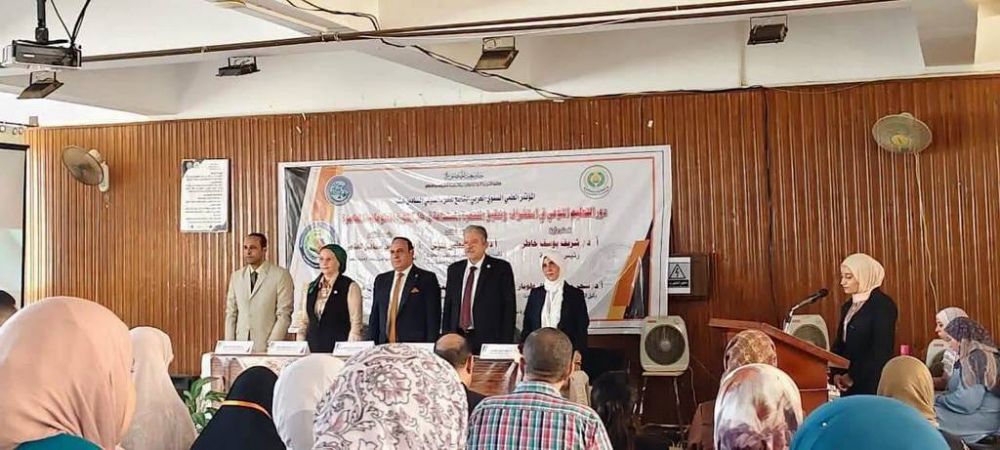
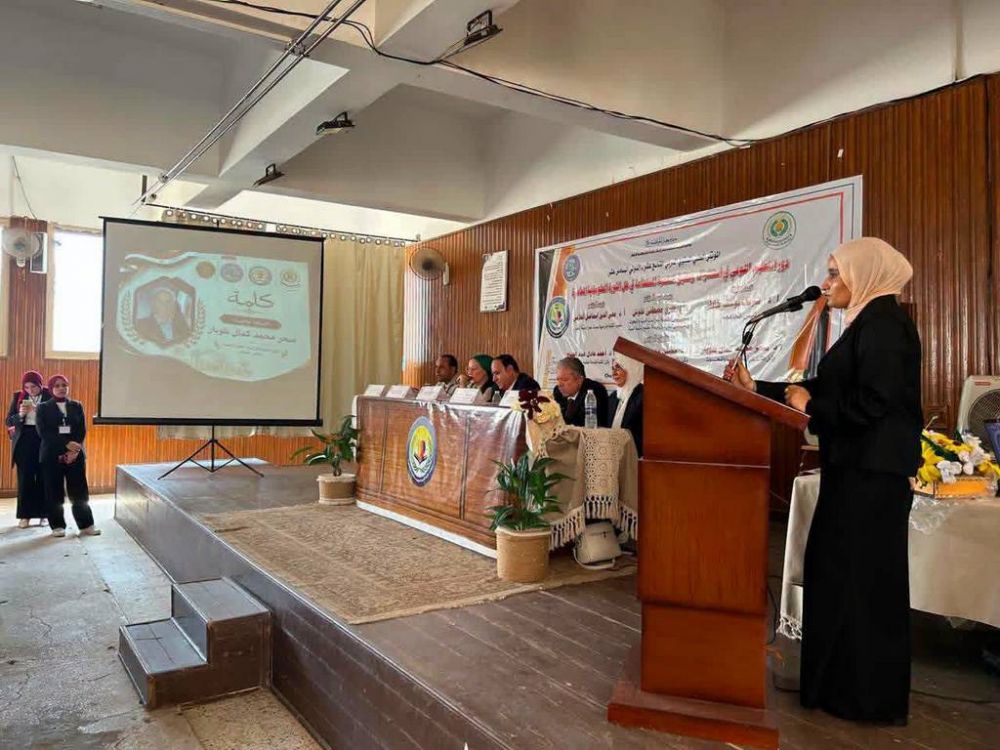
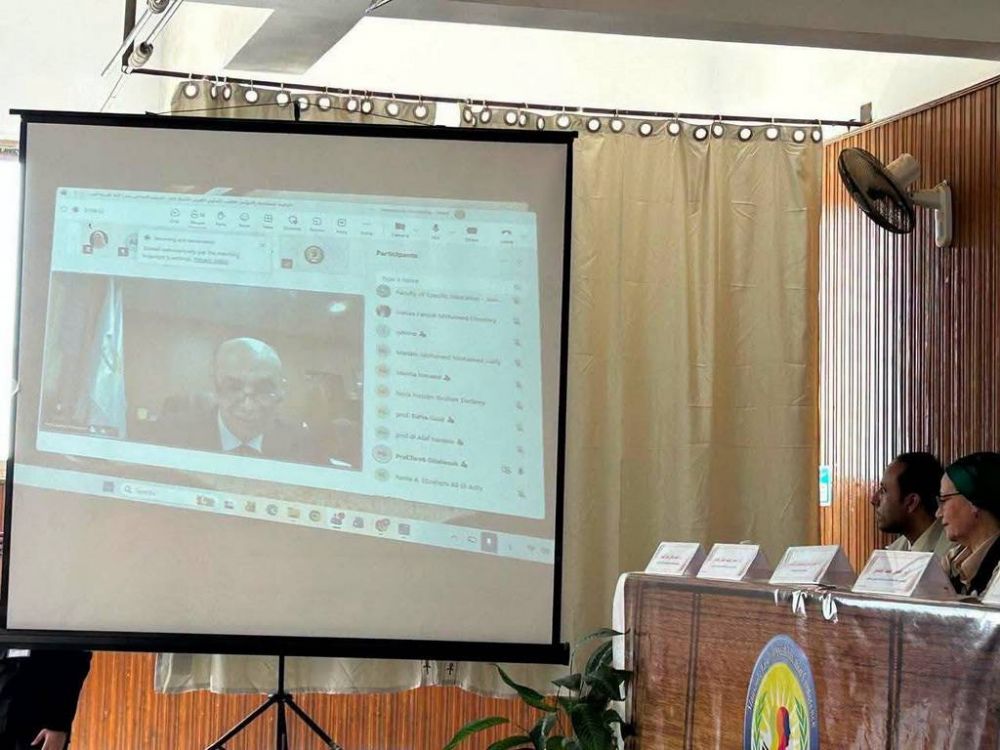
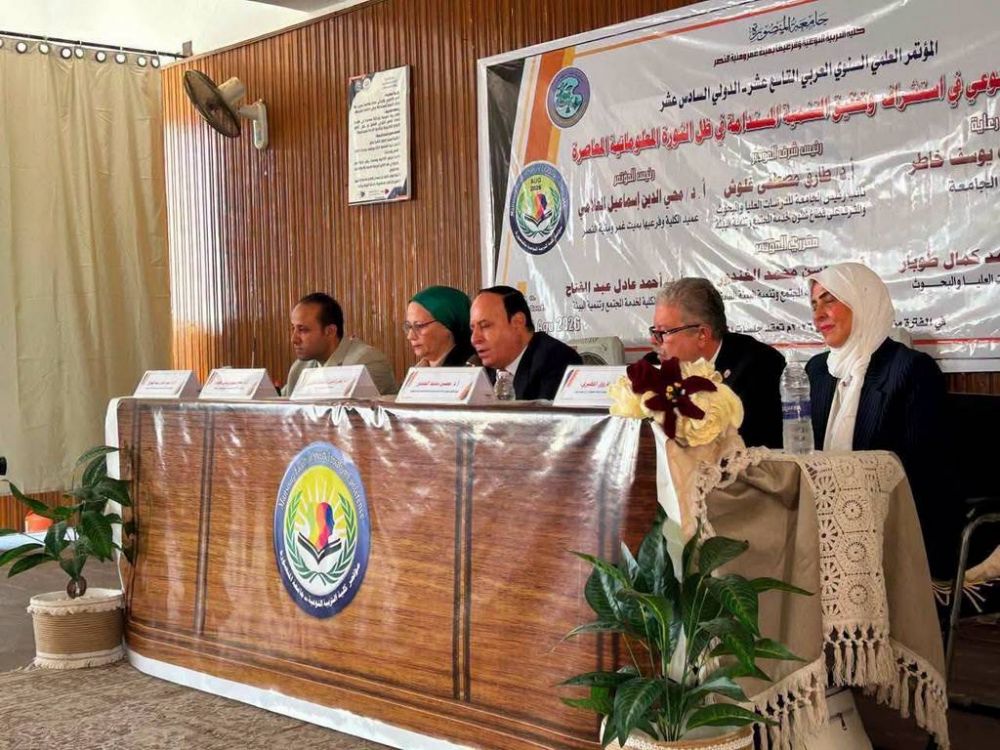
Under the patronage of Prof. Cherif Khater, President of Mansoura University, the Faculty of Specific Education discussed the future of specialized education in the information age during its 19th Annual Scientific Conference (Arab and 16th International). The conference featured research and discussions on the use of technology and artificial intelligence to support sustainable development. Dr. Tarek Ghalwash, Vice President of Mansoura University for Graduate Studies and Research and Supervisor of the Community Service and Environmental Development Sector, inaugurated the conference on August 12, 2026. The conference, titled "The Role of Specialized Education in Anticipating and Achieving Sustainable Development in Light of the Contemporary Information Revolution," included presentations by researchers and specialists in scientific sessions held via Microsoft Teams.
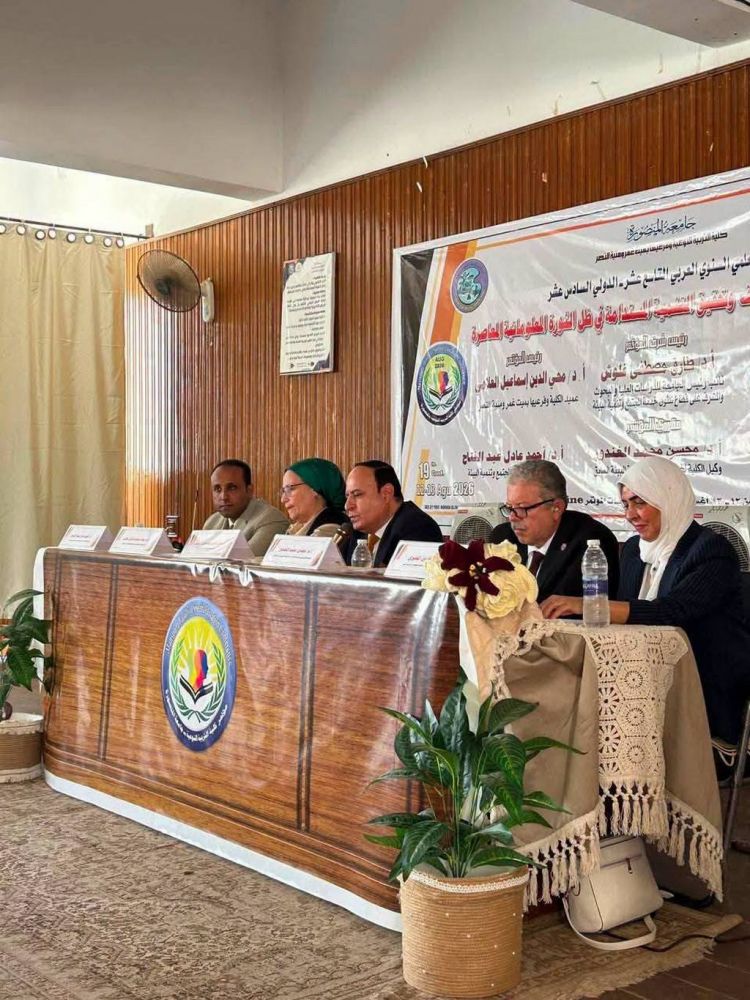
The conference is being held under the chairmanship of Prof. Mohi El-Din Al-Alami, Dean of the Faculty of Specific Education, with the participation of Prof. Sahar Tobar, Vice Dean of the Faculty for Graduate Studies and Research, Prof. Mohsen Al-Ghandour, former Vice Dean of the Faculty for Community Service and Environmental Development, Prof. Ahmed Abdel-Fattah, Vice Dean of the Faculty for Community Service and Environmental Development, who are the conference rapporteurs, and Prof. Hanaa Al-Mahiri, supervisor of the Faculty branch in Mit Ghamr, in addition to the attendance of a select group of faculty members, researchers and participants in the conference activities.
Prof. Tarek Ghalwash emphasized that the rapid advancements in technology and artificial intelligence have transformed the needs of the educational process and the labor market. This necessitates the development of specialized education and the preparation of students equipped with the knowledge and skills required to navigate these changes.
He also highlighted the importance of directing scientific research toward sustainable development issues, linking its findings to societal needs, and encouraging interdisciplinary studies that leverage technological advancements to enhance the educational process. The Vice President of Mansoura University explained that the university is committed to supporting scientific conferences that address contemporary issues and providing opportunities for researchers to exchange perspectives and experiences. This contributes to the development of education and scientific research and keeps pace with future needs. He expressed his hope that the conference proceedings would contribute to providing insights and recommendations that enhance quality education and support its role in achieving sustainable development.
Prof. Mohi El-Din El-Alami welcomed the participants, explaining that the conference theme was chosen in light of the changes brought about by the information revolution in the education system, and the accompanying need to develop teaching and learning methods and the skills students need to meet future demands.
He emphasized that the diversity of specializations within quality education offers numerous opportunities for the use of technology and innovation. He noted that the college is working to develop its educational and research system to keep pace with digital transformation and link specialized fields to the needs of society and the labor market.
He added that the conference provides an opportunity to discuss research and studies related to quality education and to benefit from the expertise of participating researchers and specialists, which will help develop educational and research practices across the college's various disciplines. Prof. Sahar Tobar confirmed that the conference program includes a range of research papers and studies on the impact of technological advancements on quality education, as well as applications of artificial intelligence and digital transformation across various disciplines.
She explained that the use of modern communication methods in organizing the conference facilitated the participation of researchers and specialists from diverse academic institutions both within and outside Egypt, providing an opportunity to exchange expertise and discuss research issues related to the future of education and sustainable development.
Prof. Mohsen El-Ghandour emphasized the importance of aligning quality education with societal needs, noting that technological advancements offer new opportunities to leverage the college's specializations in addressing a number of societal, environmental, and economic issues.
He clarified that achieving sustainable development requires collaboration between educational institutions and the community, utilizing the capabilities of students and researchers to offer ideas and solutions to current challenges, and supporting development efforts in various fields.
Prof. Ahmed Abdel-Fattah affirmed that the conference represents a scientific gathering that brings together researchers and specialists to discuss research and studies, and explore ways to utilize the outputs of scientific research to serve society and achieve sustainable development. He pointed out that the rapid advancements in technology and artificial intelligence necessitate that specialized educational institutions evolve their roles and leverage modern technological capabilities to foster innovation and creativity, while aligning programs and specializations with societal needs and labor market demands.
He added that the college's Community Service and Environmental Development sector is committed to supporting activities and initiatives that translate research knowledge and ideas into practical applications and solutions, thereby bolstering the college's role in community service and sustainable development efforts.
Prof. Hanaa Al-Muhairi emphasized the importance of holding the conference and facilitating scientific participation through modern communication methods, enabling greater participation from researchers and specialists and the exchange of expertise in specialized education and its various applications.
The scientific sessions will address several themes related to the future of specialized education, including educational and psychological sciences, computer science, home economics, educational media, art education, music education, educational technology, and educational theater. Discussions will cover artificial intelligence applications in education and assessment, digital transformation and the development of educational institutions, cybersecurity, blended and virtual learning, supporting innovation and entrepreneurship, and the integration of modern technology in the arts, music, educational media, home economics, educational technology, and educational theater.
Discussions will cover artificial intelligence applications in education and assessment, digital transformation and the development of educational institutions, cybersecurity, blended and virtual learning, and supporting innovation and entrepreneurship, in addition to employing modern technology in the arts, music, educational media, home economics, educational technology, and educational theater.
The conference will also explore ways to utilize modern technologies to support the Sustainable Development Goals, develop digital and creative skills, improve educational practices, and leverage digital transformation to prepare students for the demands of the future, in a manner appropriate to the nature of each specialized field of education.
The conference will continue on August 12 and 13, 2026, with scientific sessions conducted via Microsoft Teams to discuss research and studies presented across various themes, and to exchange experiences and perspectives on developing specialized education and its role in meeting future demands and achieving the Sustainable Development Goals.
View the embedded image gallery online at:
https://www.mans.edu.eg/en/mans-news/mansoura-university-faculty-specific-education-future-information-revolution#sigProGalleria1c8627fa7b
https://www.mans.edu.eg/en/mans-news/mansoura-university-faculty-specific-education-future-information-revolution#sigProGalleria1c8627fa7b


