



Mansoura University Concludes Generative AI Training Program in Cooperation with the Information Technology Institute
- Hits: 3
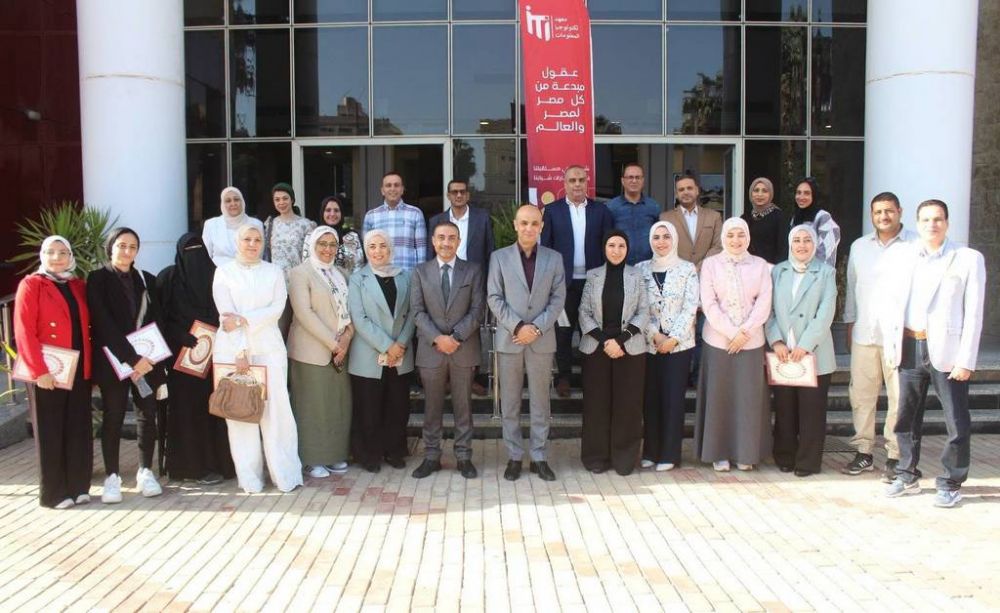 Under the patronage of Prof. Cherif Khater, President of Mansoura University,
Mansoura University concludes a training program in generative artificial intelligence in cooperation with the Information Technology Institute.
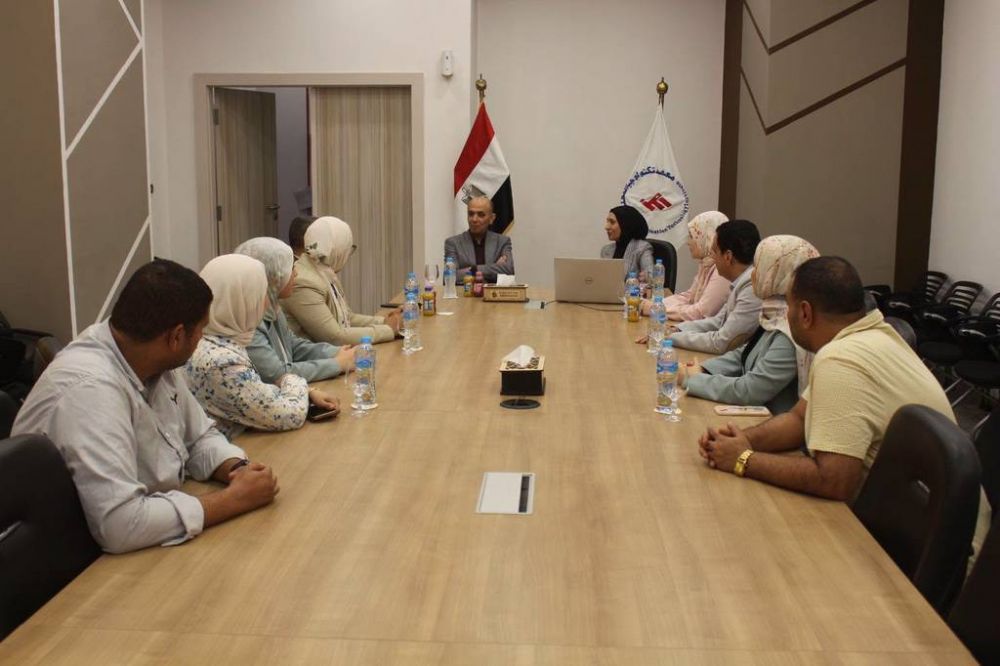
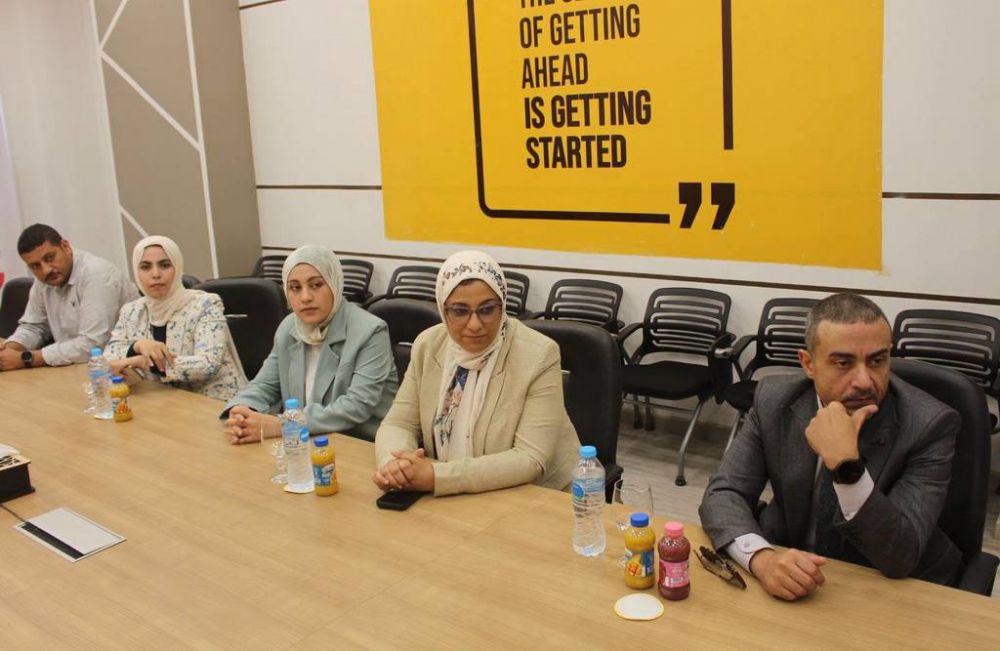
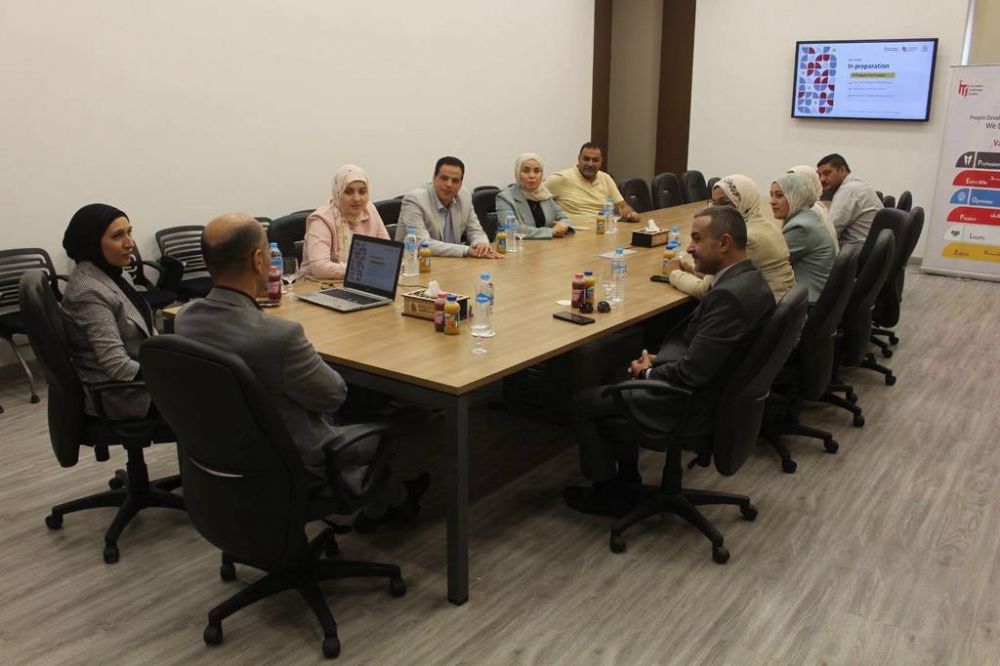
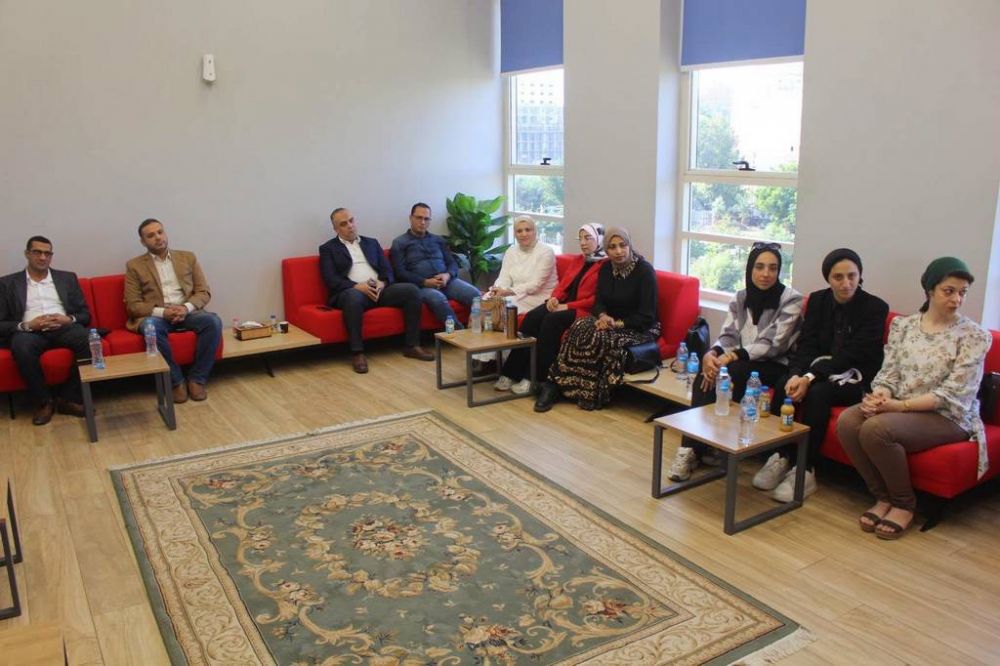
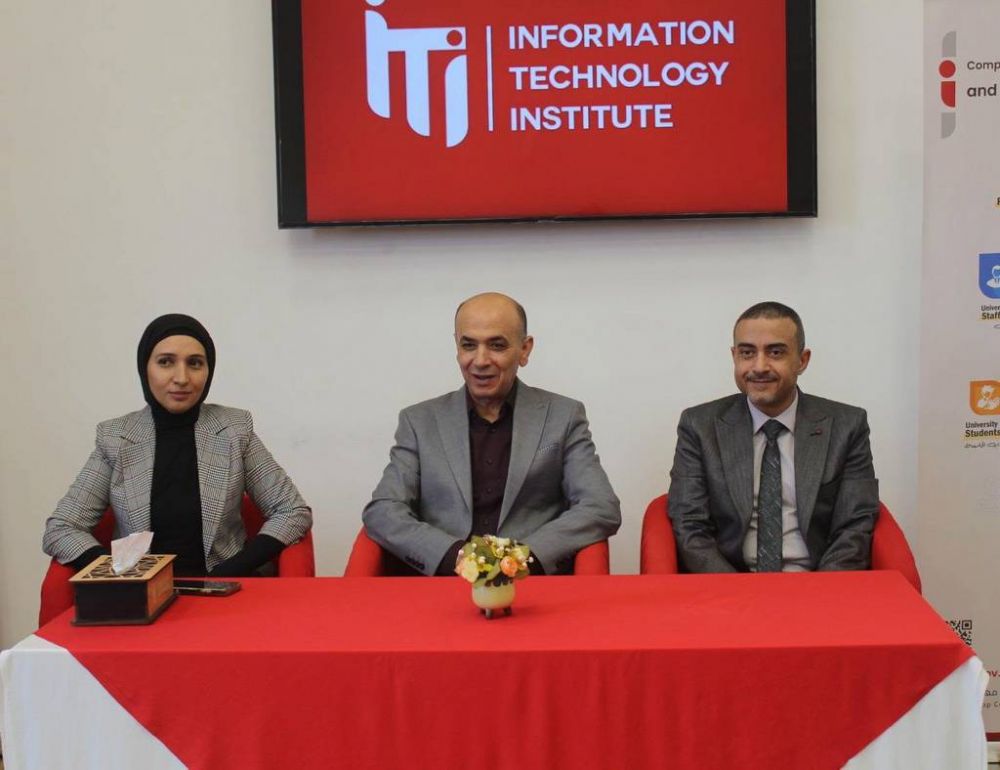
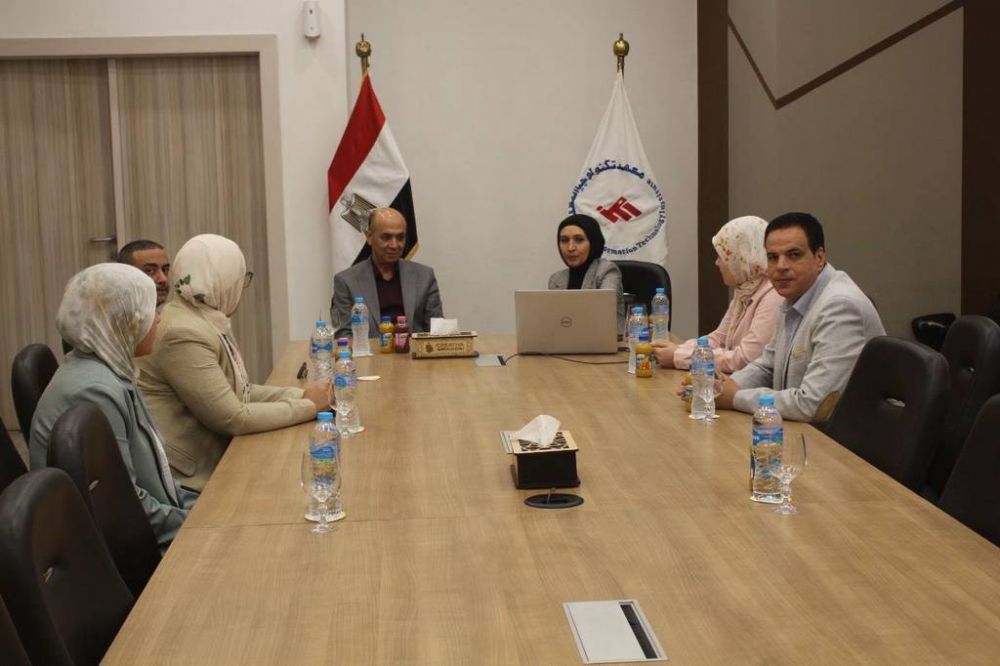
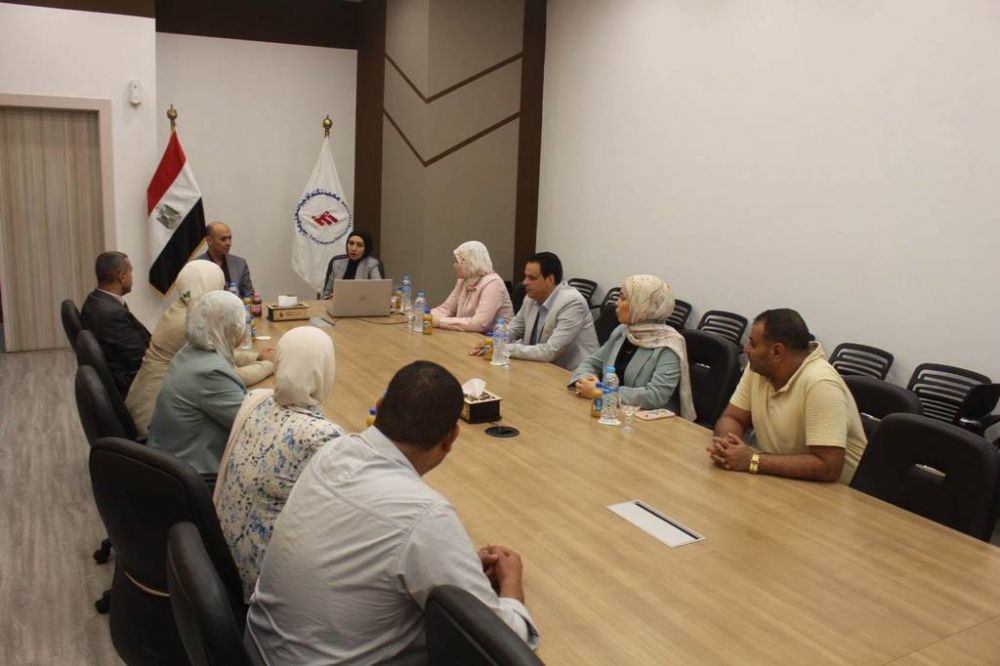
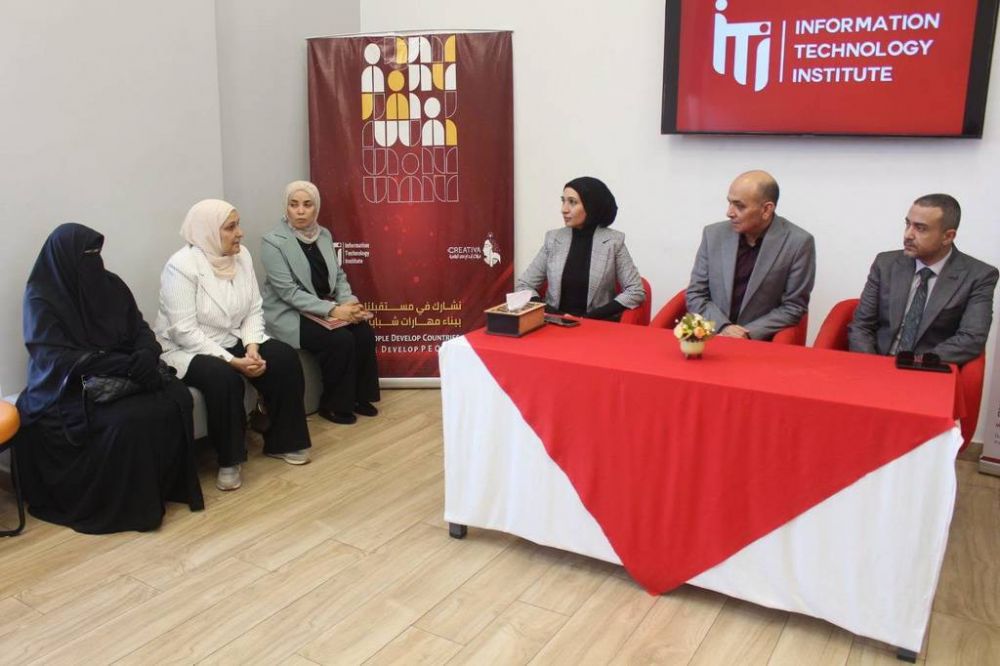
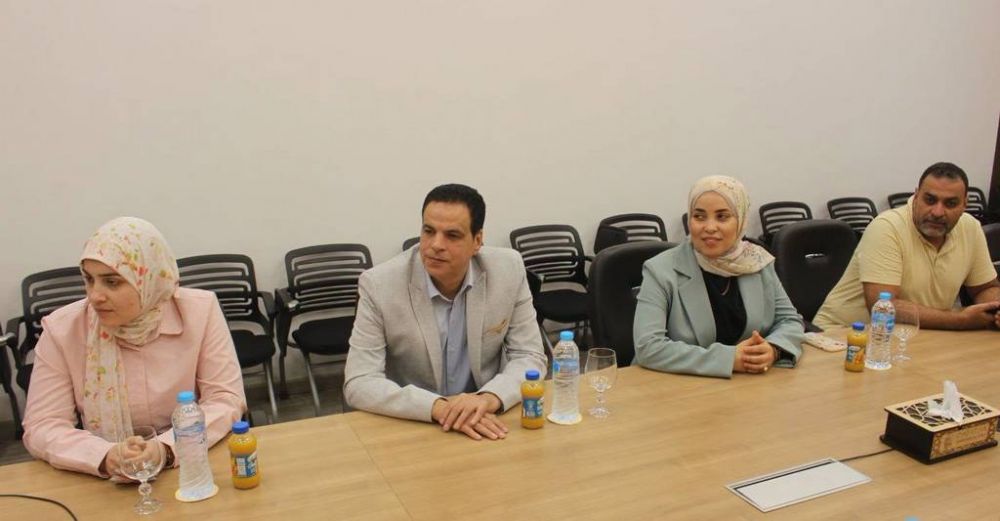
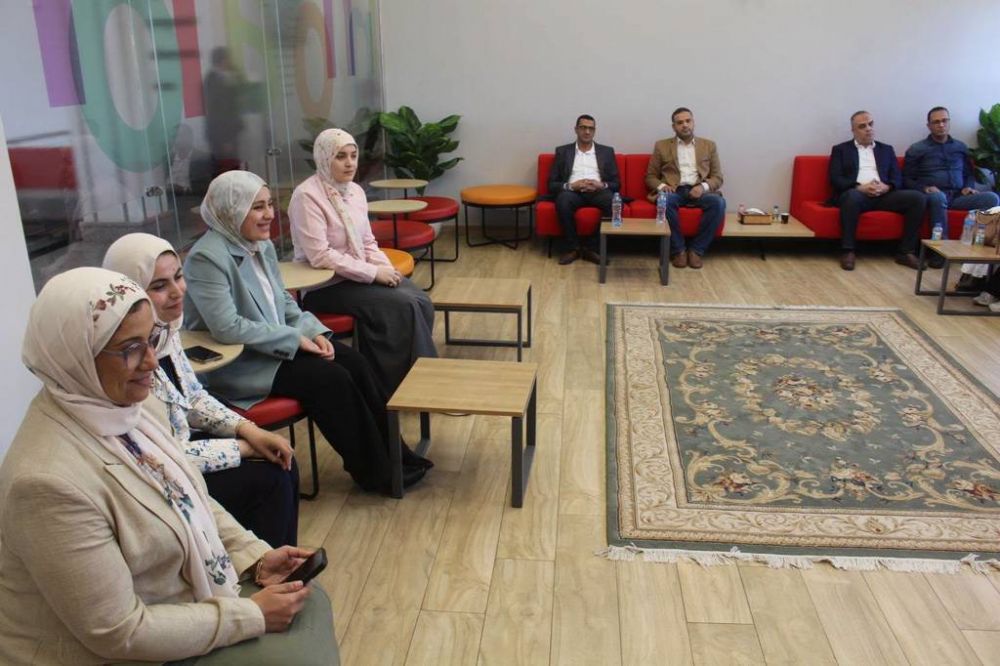
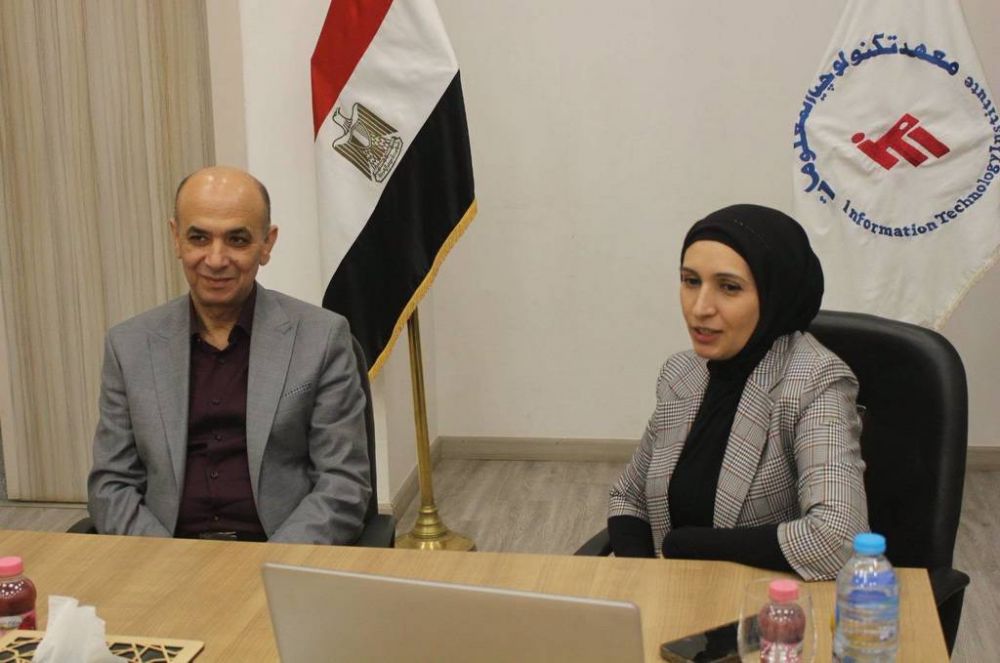
Prof. Tarek Ghalwash, Vice President of Mansoura University for Graduate Studies and Research, concluded the joint training program between the university, represented by the University Performance Development Center, and the Information Technology Institute at the Digital Egypt Innovation Center in Mansoura. The closing ceremony took place during a visit to the institute, which included a meeting to discuss future areas of cooperation and to honor the program graduates.
The visit was attended by Dr. Mohamed Ghoneim, Director of the University Performance Development Center, and several institute officials.
Prof. Tarek Ghalwash emphasized that the cooperation with the Information Technology Institute represents a significant step towards enhancing the university's ability to keep pace with the rapid developments in the field of artificial intelligence and to expand the use of its applications in education, scientific research, and university administration.
He explained that the university aims to move from introducing modern technologies to practically employing them in developing institutional performance, supporting researchers and faculty members, and providing innovative solutions to the challenges facing the university's various sectors. He added that the next phase will witness an expansion of specialized training programs for university leaders, faculty members, teaching assistants, researchers, and administrative staff. This will be coupled with exploring the implementation of joint technological projects and applications that meet the university's needs, leveraging the institute's technical expertise to develop practical and applicable solutions.
He emphasized the importance of evaluating the impact of the proposed training and applications to ensure sustainable added value for the university and enhance its ability to keep pace with digital transformations in higher education and scientific research.
Dr. Mohamed Ghoneim explained that the program aims to develop the professional and research skills of faculty members, teaching assistants, and researchers through interactive training covering generative artificial intelligence concepts and its key tools, command engineering skills for achieving high-quality outputs, and AI agents and their capabilities in automating tasks.
He added that the program addresses the application of these tools in course design, educational content development, and supporting scientific research, while emphasizing the ethics of their use. Each participant will conclude the training by developing a mini-project that applies the acquired skills in their field of work. During the meeting, officials from the Information Technology Institute reviewed the services and training programs offered to various segments of the university community. These include summer training for students, the Belts program, the NVIDIA program, and the cybersecurity program.
They also reviewed programs designed for faculty members, including professional and intensive training, Training of Trainers (TOT) programs in specific tracks, the "Impact" initiative, and training on the application of generative artificial intelligence in teaching and scientific research. Additionally, they discussed programs for administrative staff targeting employees of university hospitals and college engineers, as well as technical lectures presented to university affiliates during conferences.
The two sides discussed developing a training program for university leaders to equip them with the skills to use artificial intelligence tools and evaluate their effectiveness. This would support informed decision-making regarding their implementation. They also discussed implementing specialized courses for administrative staff to help them utilize these tools in their daily tasks and improve work methods.
Furthermore, the two sides explored avenues for technical cooperation and leveraging the Institute's expertise in developing solutions and applications needed by the university. Prof. Tarek Ghalwash presented several examples of joint projects and applications that could be implemented to enhance the utilization of artificial intelligence across various university sectors. Two training courses have been conducted so far as part of the program; the first targeted faculty members from the Faculties of Medicine, Pharmacy, Science, and Agriculture, while the second targeted faculty from the Faculties of Arts, Sports Sciences, and Tourism and Hotels.
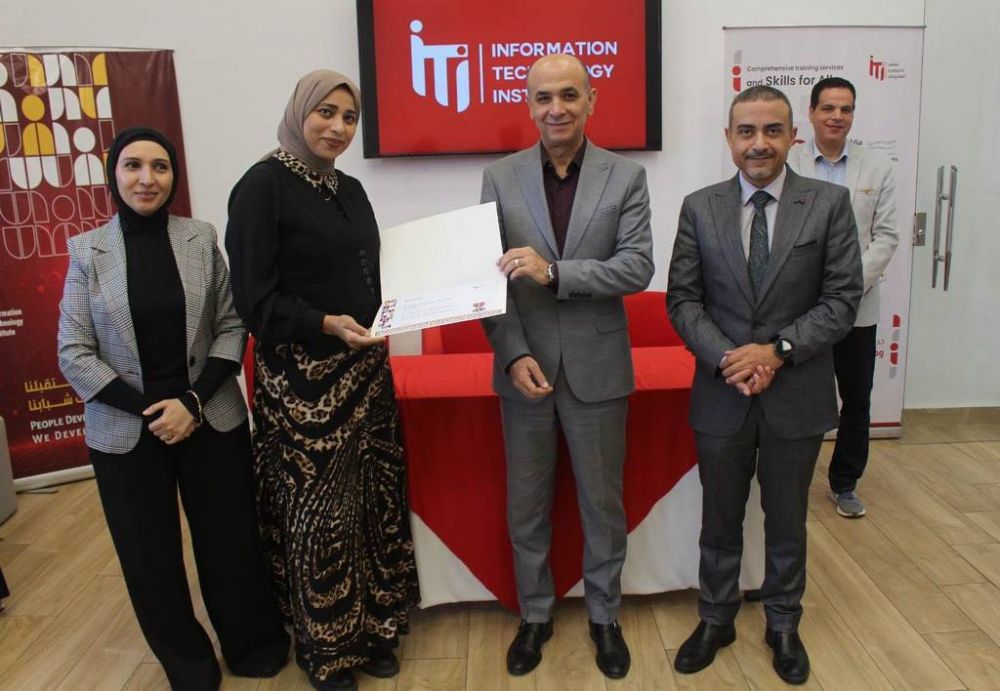
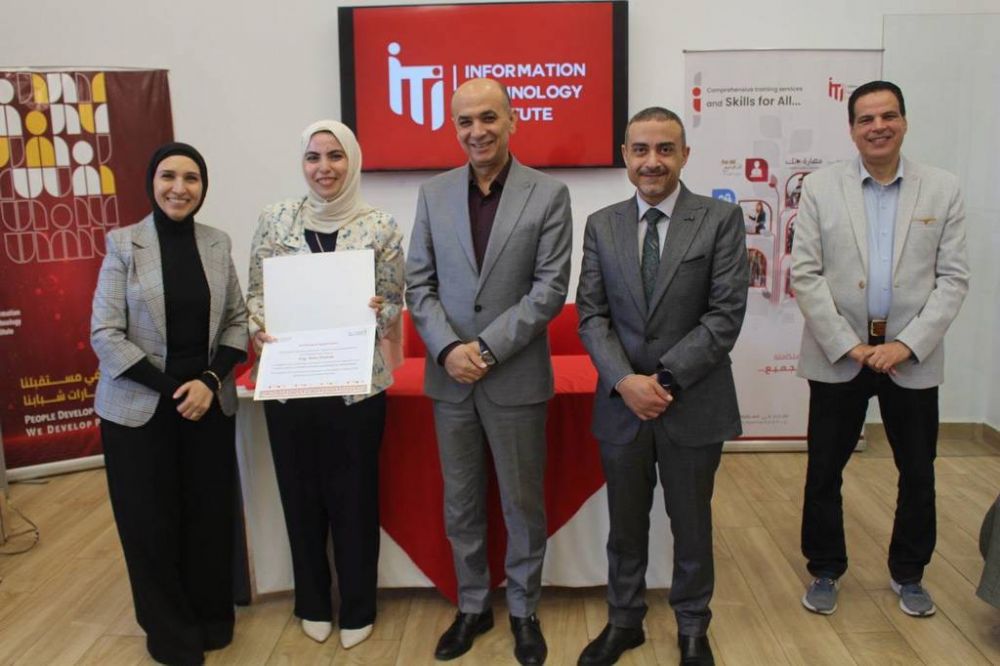
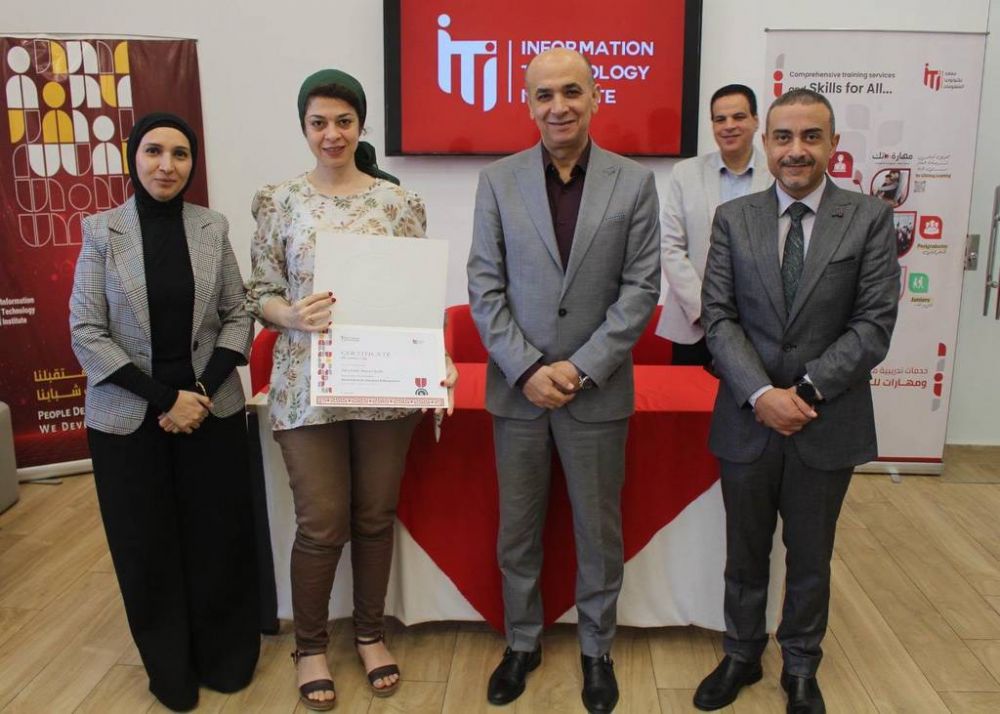
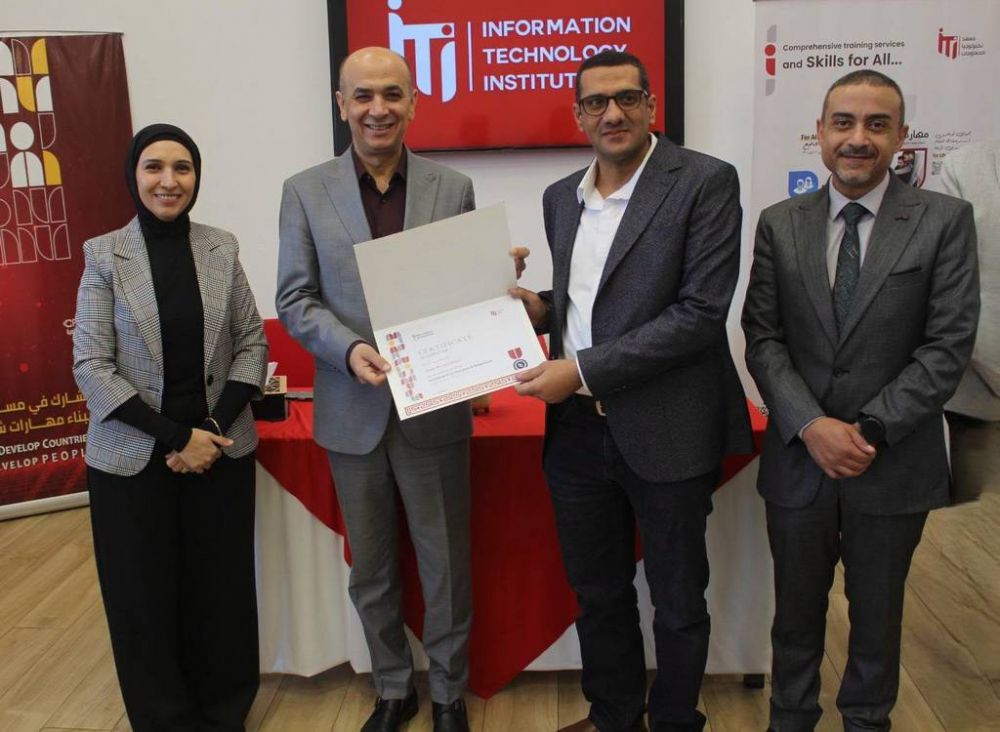
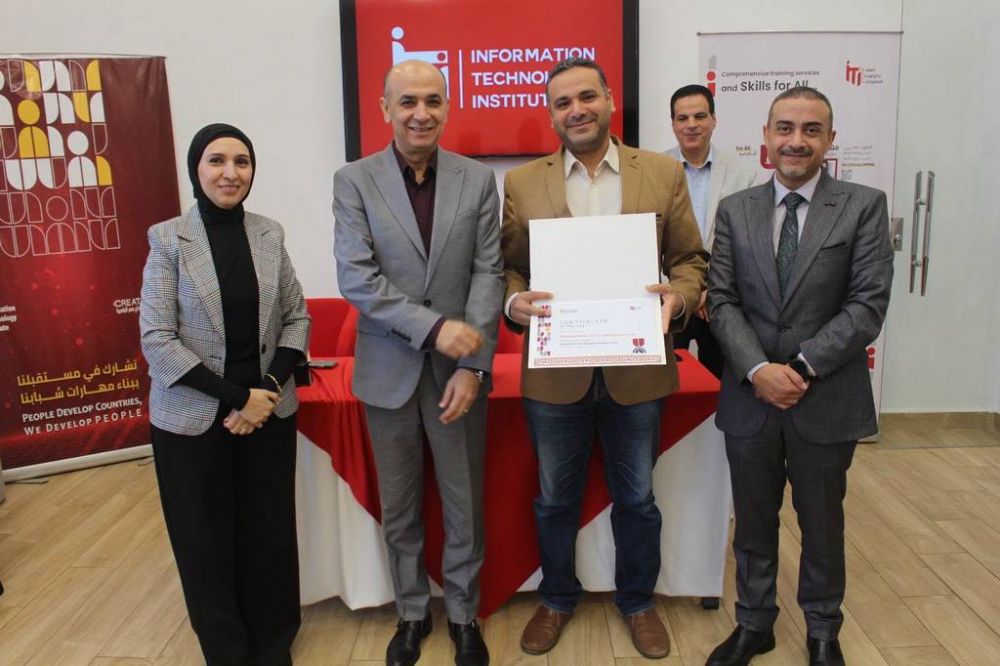
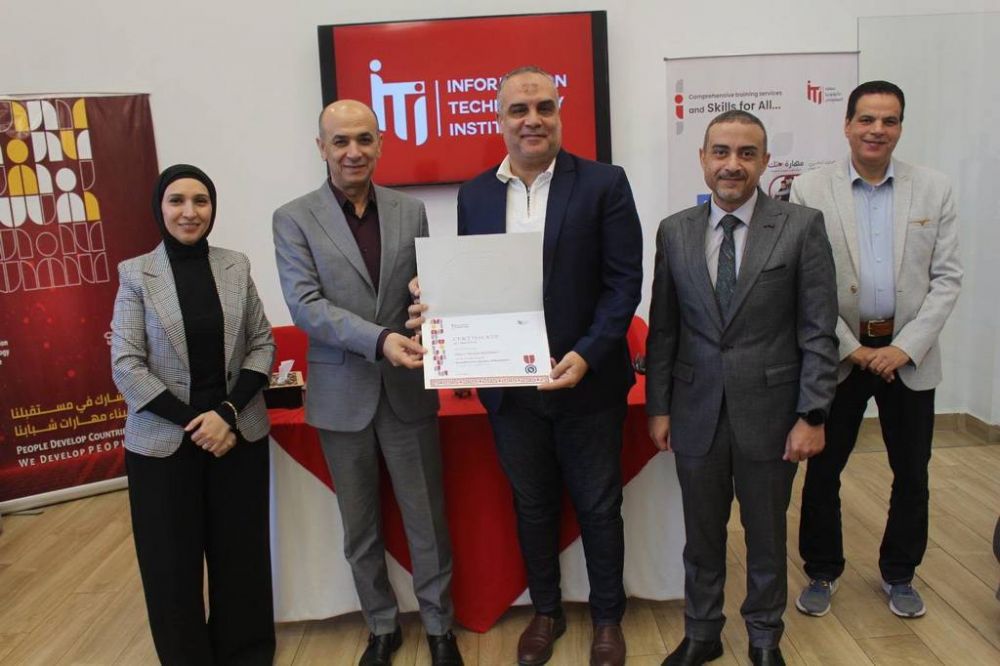
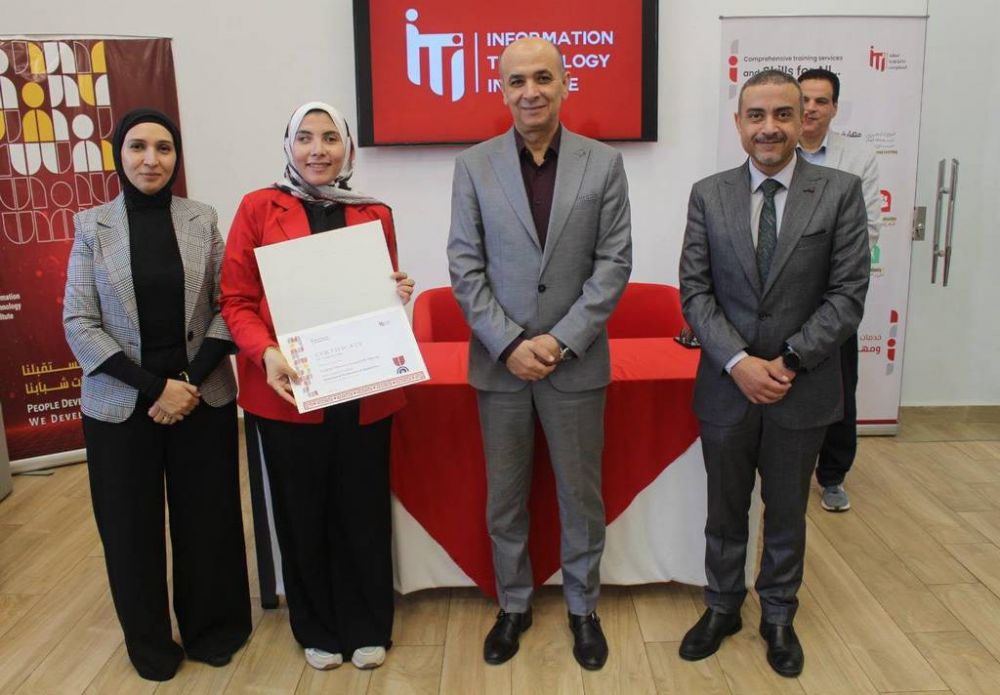
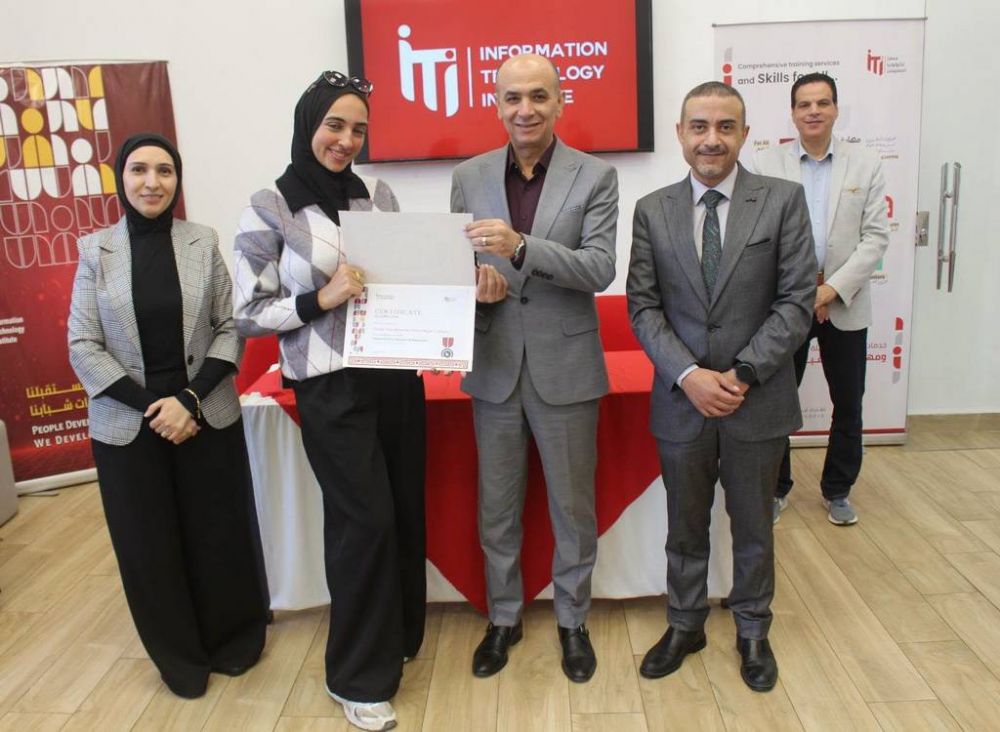
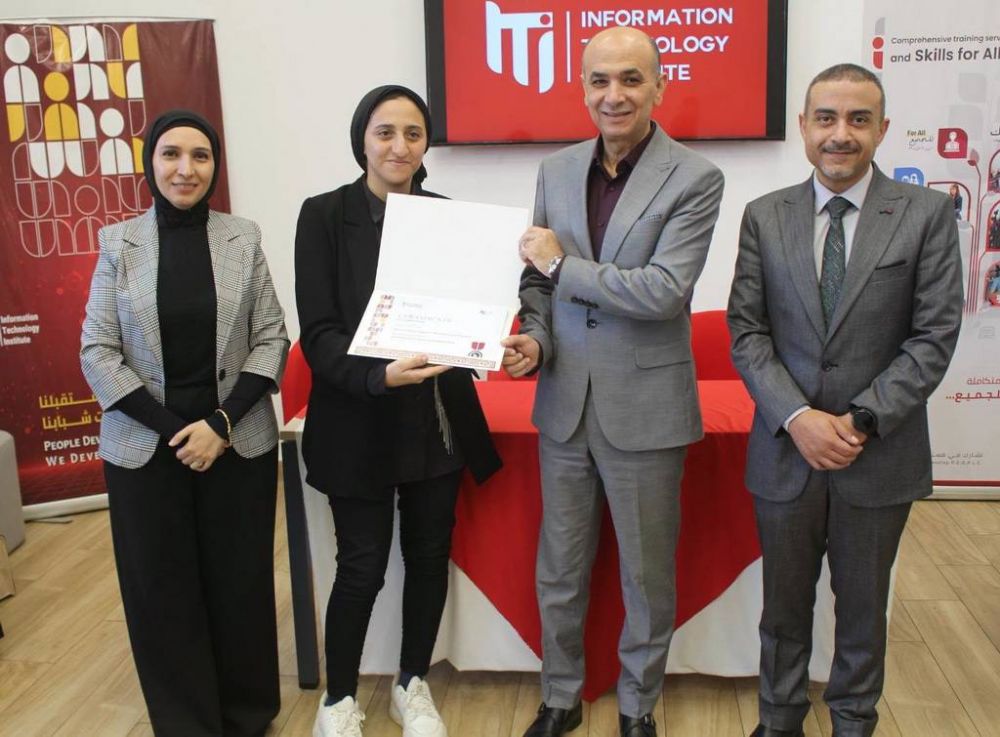
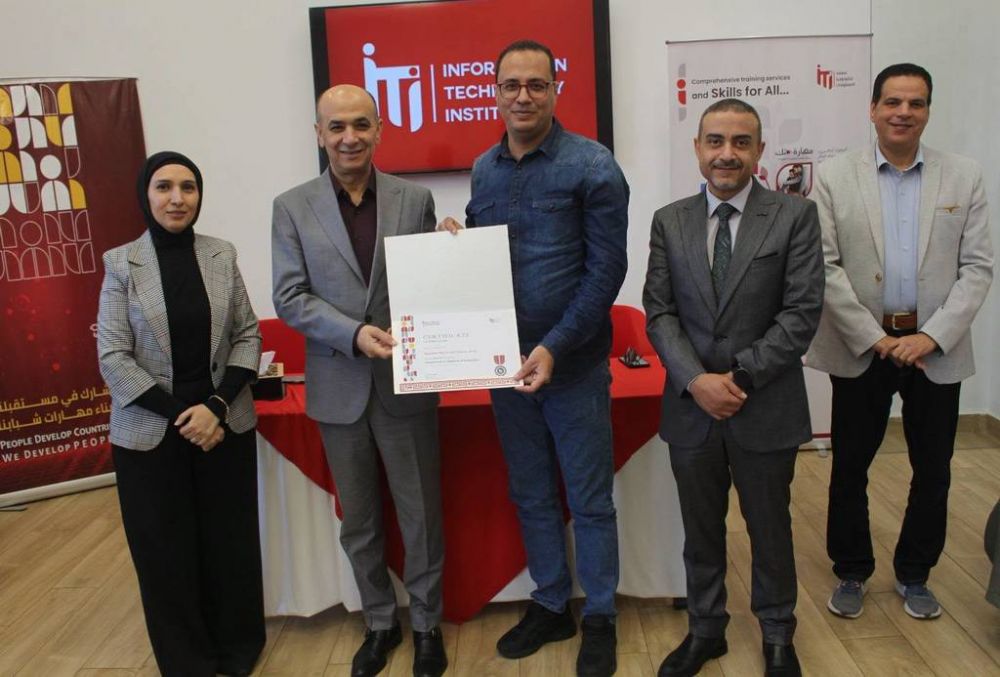
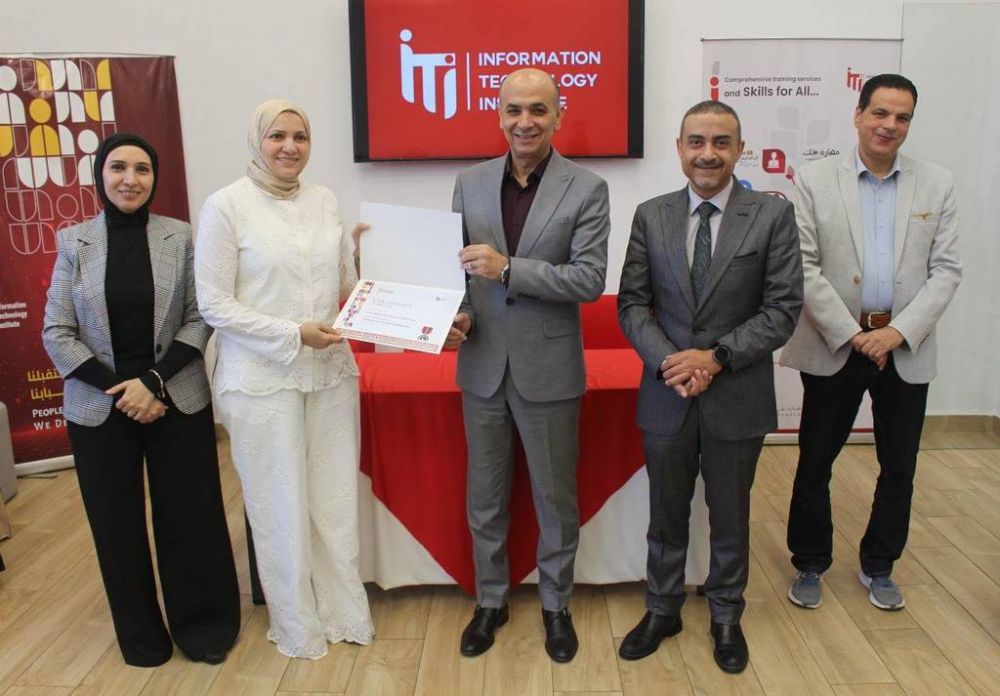
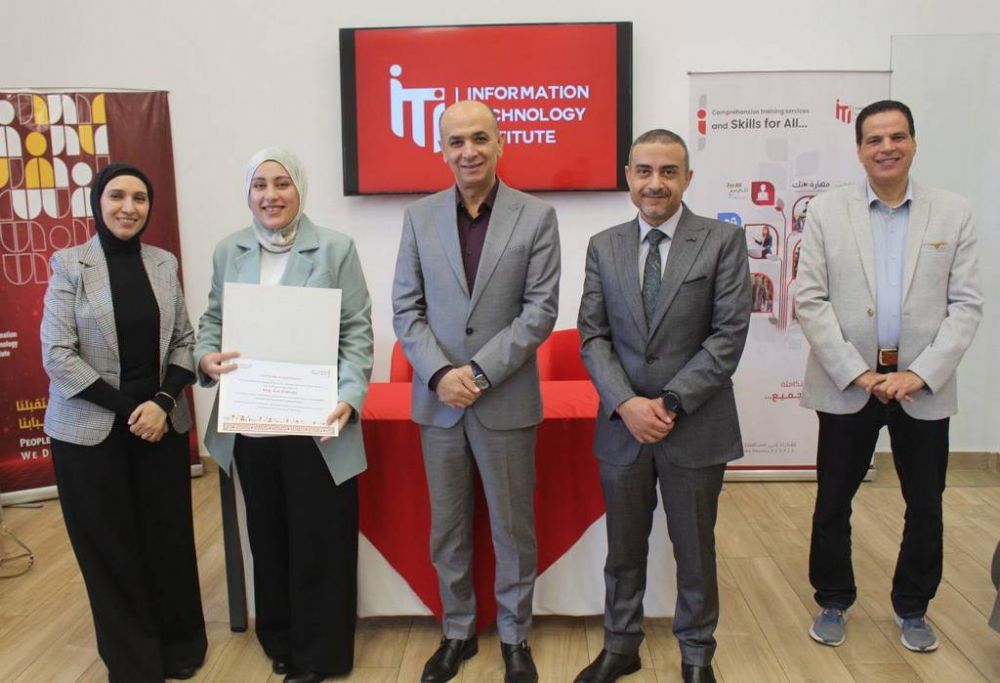
The visit concluded with an awards ceremony honoring the graduates of the training program in recognition of their participation, reflecting Mansoura University's commitment to supporting the professional development of its staff and strengthening its partnerships in the fields of training and technology.
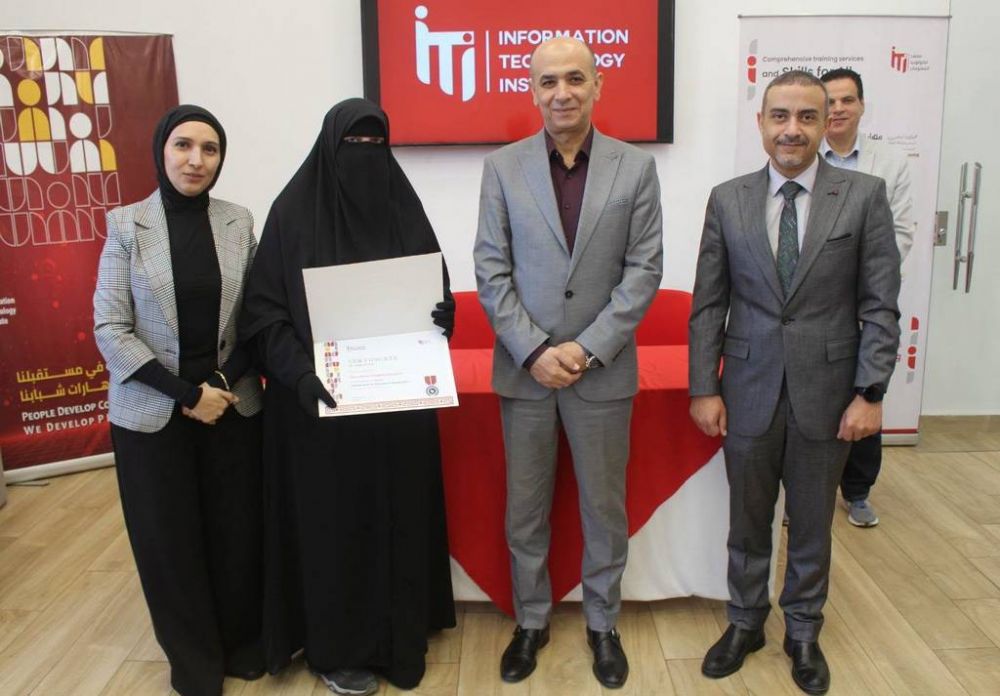
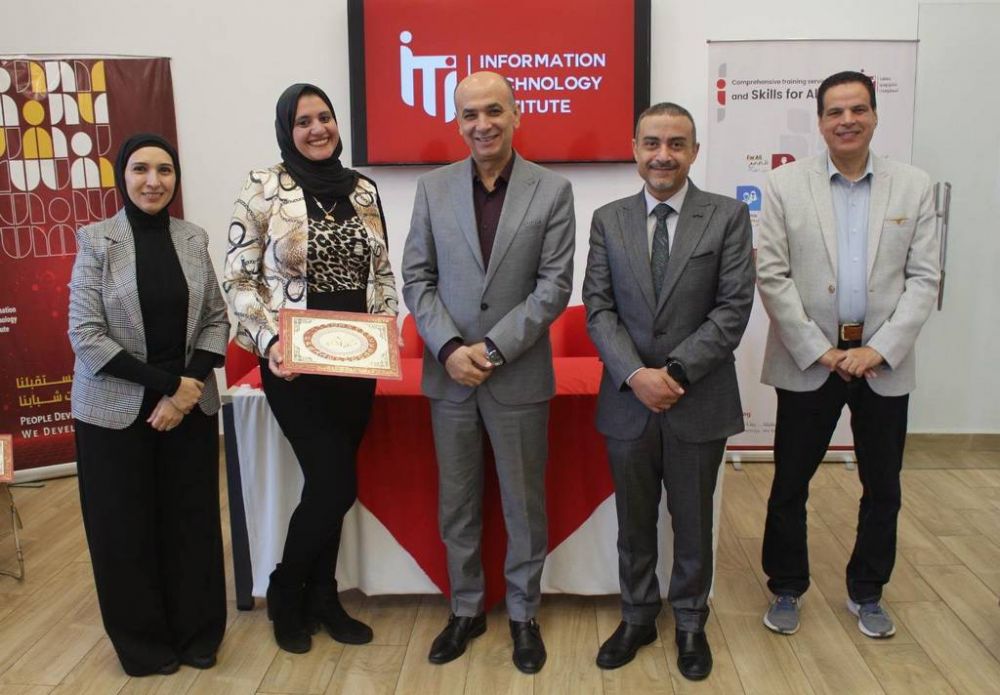
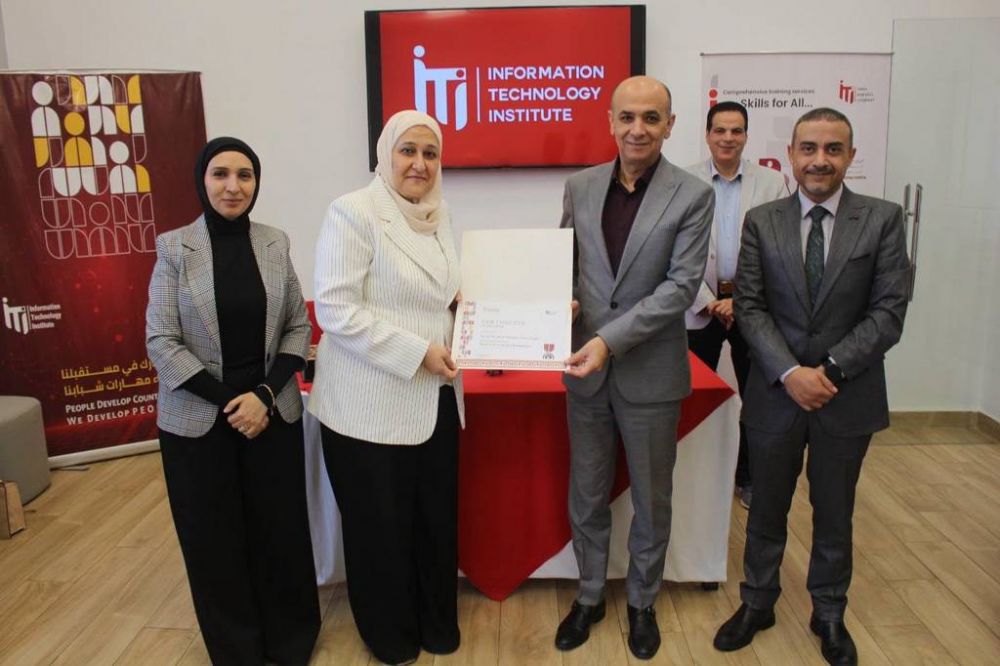
 View the embedded image gallery online at:
https://www.mans.edu.eg/en/mans-news/mansoura-university-generative-ai-training-program-iti#sigProGalleriaab2bb1d36d


